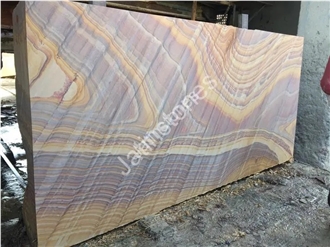
Jaipur Rainbow Sandstone

About
Item Details
- Material Type:
- Sandstone
- Origin:
India (Jaipur, Rajasthan) - Primary Color(s):
- Multicolor
- Recommended Usage:
- Monuments, building stone, ornamental stone, stairs, interior, exterior wall and floor applications, mosaic, wall panels, reliefs, window sills, balustrades, columns, wall and pool copings, pool pavers, sculptures, fireplaces, cobbles, pavers, curbstone
- Additional Names:
- Jaipur Sandstone, Rainbow Sandstone, Jaipur Rainbow Sandstone
- Finished Surface:
- Flamed,Bush Hammered,Tumbled,Brushed,Honed,Split,Machine Cut,Natural Surface,Sandblasted,Acid Washing,Combed,Leathered,Water Jet,Filled,Chiseled,Pickling
Testing
- Water Absorption:
- 8.0 - 11 %
- Density:
- 2070 - 2110 Kg/cm3
- Flexural Strength:
- 7 - 11 MPa
- Compressive Strength:
- 41 - 63 MPa
- Stone texture:
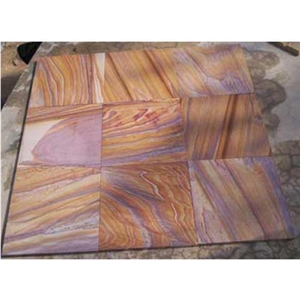
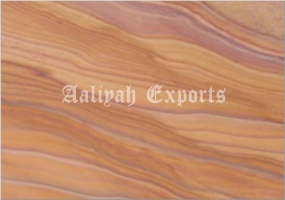
- a natural sandstone known for its striking multi-colored patterns that form flowing, wave-like swirls across the surface, giving it a dynamic and visually captivating appearance
Description
Jaipur Rainbow Sandstone is a natural sandstone prominently quarried in the Jaipur region of Rajasthan, India. It is celebrated for its unique and visually striking appearance characterized by flowing, wave-like patterns that include a variety of colors, creating a dynamic and captivating look. Here is a comprehensive breakdown of its properties, composition, and usage:
Physical and Mechanical Properties:
- Water Absorption: 8.0 - 11%
- Density: 2070 - 2110 kg/m³
- Flexural Strength: 7 - 11 MPa
- Compressive Strength: 41 - 63 MPa
- Hardness: Typically around 6 to 7 on the Mohs scale, indicating good scratch resistance.
- Porosity: Medium porosity, which contributes to its water absorption characteristics.
- Slip Resistance: Generally good, making it suitable for both indoor and outdoor applications.
Chemical and Mineral Composition (% by weight):
- Silica (SiO2): 70-80%
- Aluminum Oxide (Al2O3): 5-10%
- Iron Oxide (Fe2O3): 2-5%, contributing to its reddish and brown hues
- Lime (CaO): 1-3%
- Magnesium Oxide (MgO): Less than 1%
- Other Minerals: Trace amounts of various minerals that contribute to the color variations.
Usage and Applications:
- Flooring: Ideal for both indoor and outdoor flooring due to its durability and aesthetics.
- Wall Cladding: Used in both interior and exterior wall applications for its decorative appeal.
- Paving: Suitable for garden paths, patios, and driveways.
- Countertops: Used in kitchens and bathrooms for a unique, natural look.
- Decorative Items: Used in crafting small decorative pieces and sculptures.
- Landscaping: Frequently used in garden landscapes and as accent stones.
Maintenance:
- Sealing: Regular sealing is recommended to enhance water resistance and prevent staining.
- Cleaning: Use a mild detergent and water for regular cleaning. Avoid using harsh chemicals as they can damage the stone.
- Polishing: Occasional polishing may be needed to maintain its aesthetic appearance, especially in high-traffic areas.
Cutting Sizes (cm):
- Tiles: Commonly available in sizes like 30x30, 30x60, 60x60.
- Slabs: Typically cut to custom sizes depending on the project requirement, often available up to 120x240.
- Custom Sizes: Available upon request for specific needs.
Common Surface Finish Options:
- Natural: Retains the stone’s original texture and appeal.
- Polished: Smooth and shiny finish, enhancing the stone’s color and pattern.
- Honed: Smooth but matte finish, providing a balance between polished and natural finishes.
- Sandblasted: Textured surface with added slip resistance, popular for outdoor uses.
- Brushed: Soft, weathered look with slight texture.
FAQ
The coefficient of friction of Sandblasted Indias Jaipur Rainbow Sandstone tiles can vary depending on several factors including the specific finish and texture of the tiles, the surface roughness, and the presence of any sealing or coating. It is best to contact the manufacturer or supplier for the specific coefficient of friction information for their particular product.
Can India's Jaipur Rainbow Sandstone be used exterior applications in cold climates?
Yes, Indias Jaipur Rainbow Sandstone can be used for exterior applications in cold climates. Rainbow sandstone is known for its durability and ability to withstand various weather conditions, including cold temperatures. It is resistant to freezing and thawing, which makes it suitable for exterior use in cold regions. However, it is always important to properly seal and maintain the sandstone to ensure its longevity and prevent any damage from occurring.
Can India's Jaipur Rainbow Sandstone be used outdoors?
Yes, Indias Jaipur Rainbow Sandstone can be used outdoors. It is a durable and weather-resistant stone that can withstand outdoor conditions such as rain, sun exposure, and temperature variations. Its natural beauty and vibrant colors make it a popular choice for paving, landscaping, and cladding in outdoor spaces. However, it is important to properly seal and maintain the sandstone to enhance its longevity and protect it from stains or discoloration caused by environmental factors.
Can India's Jaipur Rainbow Sandstone be used in landscaping?
Yes, Indias Jaipur Rainbow Sandstone can be used in landscaping. It is a popular choice for outdoor applications such as paving, pathways, and patios. Its vibrant and varied colors, ranging from reds and pinks to yellows and browns, can create a visually appealing and unique landscape design. Additionally, its durability and natural texture make it suitable for various weather conditions and high traffic areas.
What grade is India's Jaipur Rainbow Sandstone?
Indias Jaipur Rainbow Sandstone is usually categorized as a higher grade of sandstone, primarily due to its vibrant and unique color variations. It is often considered as a premium or select grade sandstone.
Are there color variations of India's Jaipur Rainbow Sandstone?
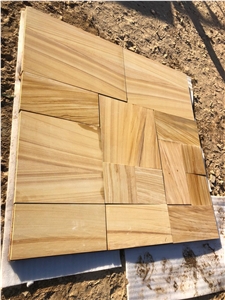
Yes, there are color variations of Indias Jaipur Rainbow Sandstone. The color of Jaipur Rainbow Sandstone can range from light beige to deep red, with bands of various shades of yellows, browns, pinks, and purples. The specific colors and patterns can vary depending on the quarry and the specific block of stone being extracted.
Can India's Jaipur Rainbow Sandstone be used in a office?
Yes, Indias Jaipur Rainbow Sandstone can be used in an office setting. Rainbow Sandstone is known for its vibrant and stunning colors, such as shades of orange, pink, purple, and yellow that create a beautiful and eye-catching appearance. It can be used for various applications in the office, such as flooring, reception desks, wall claddings, countertops, or even decorative pieces like sculptures or plaques. Its natural beauty, durability, and unique color patterns make it an excellent choice for adding elegance and a touch of nature to an office space.
How thick is India's Jaipur Rainbow Sandstone slabs?
The thickness of Jaipur Rainbow Sandstone slabs can vary depending on the desired application and the supplier. However, the standard thickness for most Jaipur Rainbow Sandstone slabs is around 2 centimeters (0.79 inches) to 3 centimeters (1.18 inches).
Is India's Jaipur Rainbow Sandstone an expensive stone?
I do not have access to current market prices. However, Jaipur Rainbow Sandstone is generally considered an affordable sandstone. Prices may vary depending on the quality, size, and finish of the stone.


3YR