Post Your Needs

Buff Gray Sandstone

Sandstone

India

About

Item Details

Material Type:
Sandstone
Origin:
India (Rajasthan)
Recommended Usage:
Monuments, building stone, ornamental stone, stairs, interior, exterior wall and floor applications, mosaic, wall panels, reliefs, window sills, balustrades, columns, wall and pool copings, pool pavers, sculptures, fireplaces, cobbles, pavers, curbstone
Additional Names:
Buff Grey Sandstone, Raj Grey Sandstone
Finished Surface:
Polished,Flamed,Bush Hammered,Tumbled,Brushed,Honed,Split,Machine Cut,Natural Surface,Sandblasted,Acid Washing,Combed,Leathered,Water Jet,Filled,Chiseled,Pickling

Testing

Water Absorption:
3–8%
Density:
2200–2450 kg/m³
Flexural Strength:
5–12 MPa
Compressive Strength:
35–80 MPa

Description

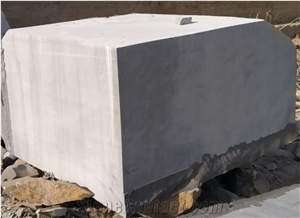
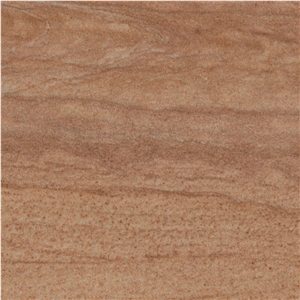
Buff Gray Sandstone features a soft and elegant natural palette of buff (pale beige), light gray, and muted taupe tones, gently blended with subtle streaks of warm brown, creamy white, and faint golden veining. The overall appearance reflects the calmness of sun-drenched desert landscapes and weathered heritage architecture, giving it a timeless and earthy aesthetic suitable for both traditional and modern designs.

Pattern & Texture

This sandstone displays delicate, irregular veining patterns with a naturally layered appearance. Its fine-grained structure creates a visually soft and organic flow resembling sand dunes, dried riverbeds, and aged masonry surfaces. The texture is porous, slightly rough, and naturally granular, typical of high-quality Indian sandstone, offering excellent grip and slip resistance in exterior applications. Each slab is unique, with no repetitive patterning, ensuring a highly natural and authentic finish.

Mineralogical Composition (% by weight)

  • Quartz: 65–85%
  • Feldspar: 5–12%
  • Clay minerals: 3–8%
  • Iron oxides: 1–5%
  • Accessory minerals (mica, calcite): 1–3%

Chemical Composition (% by weight)

  • SiO₂: 60–75%
  • Al₂O₃: 8–14%
  • Fe₂O₃: 1–5%
  • CaO: 2–6%
  • MgO: 0.5–2%
  • Alkali oxides (Na₂O + K₂O): 1–4%

Technical Properties

  • Density: 2,200–2,450 kg/m³
  • Water Absorption: 3–8%
  • Compressive Strength: 35–80 MPa
  • Flexural Strength: 5–12 MPa
  • Abrasion Resistance: Moderate to High
  • Mohs Hardness: 5–6

Applications / Usage

  • Exterior paving and landscaping
  • Garden pathways and stepping stones
  • Wall cladding and façades
  • Courtyards and patios
  • Stair treads (light to medium traffic areas)
  • Heritage restoration projects
  • Boundary walls and architectural features

Surface Finish Options

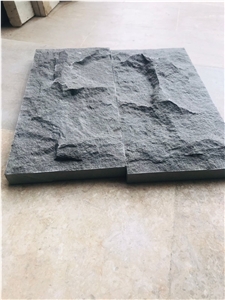
  • Natural split (riven) finish
  • Honed finish (smooth matte surface)
  • Sandblasted finish (uniform textured look)
  • Tumbled finish (aged antique appearance)
  • Brushed finish (soft textured surface)

Maintenance

  • Naturally durable but porous; sealing recommended for stain resistance
  • Clean with mild, non-acidic detergents
  • Avoid harsh chemicals and acidic cleaners
  • Periodic sealing required for exterior high-traffic applications
  • Good freeze-thaw resistance depending on installation conditions

Buff Gray Sandstone is a naturally elegant and durable sedimentary stone that combines soft earthy tones with a finely textured surface. Its timeless appearance, slip resistance, and natural variation make it an excellent choice for landscaping, architectural cladding, and outdoor paving applications, especially in warm and heritage-inspired design environments.

FAQ

Can 5 cm thick Buff Gray Sandstone pavers be used for a driveway?

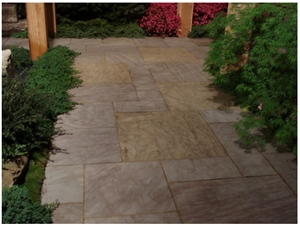
Using 5 cm thick Buff Gray Sandstone pavers for a driveway is possible, but there are several factors to consider before making a decision. Sandstone is a type of sedimentary rock that is known for its natural beauty and can be durable; however, its important to ensure that it can withstand the specific conditions of a driveway. 1. **Load-bearing capacity**: Driveways need to support the weight of vehicles. While sandstone is relatively hard, pavers that are only 5 cm thick may not be adequate for heavy vehicles unless they are properly supported. Thicker pavers or additional reinforcing layers may be required. 2. **Subbase preparation**: Ensure that the driveway has a properly prepared subbase. This involves a well-compacted layer of aggregate beneath the pavers to distribute the weight of vehicles and prevent shifting or cracking. 3. **Installation method**: Consider using a professional installation service. Proper joint spacing, edge restraints, and drainage considerations are crucial to prevent movement and damage over time. 4. **Climate considerations**: Sandstones porosity can make it susceptible to moisture absorption, which could be problematic in freeze-thaw climates. Sealing the sandstone can help to mitigate this issue. 5. **Maintenance**: Regular maintenance, including sealing and cleaning, can extend the life of sandstone pavers on a driveway. If the conditions specific to your driveway can accommodate these factors, then 5 cm thick sandstone pavers might be used. However, consulting with a professional or structural engineer is advised to ensure that the choice of paving material and its installation will meet the demands of your specific project.
Read question details

Can Buff Gray Sandstone be used for kitchen countertop?

Yes, Buff Gray Sandstone can be used for a kitchen countertop, but there are some factors you should consider before choosing it for this purpose. Sandstone is a sedimentary rock that is relatively soft and porous compared to other stones like granite or quartz. Here are a few key considerations: 1. **Porosity**: Sandstone is porous, which means it can absorb liquids and stain easily. Its essential to seal the sandstone properly and reseal it regularly to protect it from stains and moisture. 2. **Durability**: Sandstone is not as hard as granite or quartz, which means it can scratch or chip more easily. Consider how much wear and tear your kitchen countertops endure. 3. **Maintenance**: Sandstone countertops will require regular maintenance, including sealing and careful cleaning, to keep them looking their best. 4. **Aesthetic**: Buff Gray Sandstone has a unique, natural appearance that can add a distinctive look to your kitchen. Make sure its appearance complements your overall kitchen design. 5. **Price**: Sandstone can be more affordable than other natural stones, but installation and maintenance costs can add up. If you decide to use Buff Gray Sandstone, ensure you work with an experienced installer and maintain the countertops properly to maximize their lifespan and appearance.
Read question details

Can Buff Gray Sandstone be used as paving stone in areas with heavy snowfall in winter? Is it frost-resistant?

Buff Gray Sandstone can be used as a paving stone in areas with heavy snowfall, but there are several considerations to keep in mind. The key factor to consider is its frost resistance. Sandstone is generally a durable material, but its performance in freeze-thaw conditions depends on its porosity, density, and mineral composition. 1. **Frost Resistance**: To ensure that Buff Gray Sandstone can withstand freezing and thawing cycles, check for a low water absorption rate. The stone should have a low porosity to minimize water ingress, which can expand and cause cracks when frozen. While sandstone is often frost-resistant, specific varieties can vary. 2. **Durability**: The overall density and hardness of the sandstone are important to evaluate. Denser stones tend to be more durable and better at handling the stresses from temperature changes and physical wear from snow removal. 3. **Surface Finish**: A rough or textured surface can be more slip-resistant, which is beneficial in snowy and icy conditions. Smooth stones can become hazardous when wet or icy. 4. **Maintenance**: Regular maintenance such as sealing the stone can help enhance its frost resistance by reducing surface water penetration. 5. **Local Climate**: Consider the specific local climate conditions, such as the number and severity of freeze-thaw cycles, as they can affect the stones performance. Before deciding, its advisable to consult with a stone supplier or a professional with experience in using natural stone in snowy climates to ensure that the Buff Gray Sandstones specific characteristics are suitable for your needs. Testing or certification from the supplier regarding frost resistance can also provide reassurance.
Read question details

Is it a good idea to use Buff Gray Sandstone as stair treads in buildings with heavy foot traffic?

Using Buff Gray Sandstone as stair treads in buildings with heavy foot traffic can be a feasible option, but there are several factors to consider before making a decision: 1. **Durability**: Sandstone is generally durable, but its suitability depends on the specific type of sandstone. Buff Gray Sandstone should be evaluated for its hardness and resistance to wear and tear under heavy foot traffic. 2. **Slip Resistance**: Stone surfaces can become slippery, especially when wet. Its important to assess whether Buff Gray Sandstone offers adequate traction. Surface treatments or finishes can be applied to enhance slip resistance. 3. **Maintenance**: Stone materials often require regular maintenance to preserve their appearance. Sandstone might need sealing to protect it from stains and damage, especially in high-traffic areas. 4. **Aesthetics**: Buff Gray Sandstone can provide a natural and attractive appearance that suits various architectural styles. Its important to consider how it fits with the overall design of the building. 5. **Cost**: The cost of installation and long-term maintenance should be considered. Natural stone can be more expensive compared to other materials, but it might provide a higher aesthetic value. 6. **Weathering**: Sandstone can be susceptible to weathering and erosion over time, particularly in environments with harsh weather conditions. Assess the environmental factors where the building is located. 7. **Load-Bearing**: Ensure that the sandstone is thick and strong enough to withstand the weight and constant use it will experience as stair treads. If these factors align well with the buildings needs and the characteristics of the Buff Gray Sandstone are deemed satisfactory, then it could be a good choice for stair treads. Consulting with architects or materials specialists can provide further insights and ensure that the stone meets the specific requirements of the project.
Read question details

Is Buff Gray Sandstone a suitable choice for gravestones?

Buff Gray Sandstone can be a suitable choice for gravestones, but there are several factors to consider before making a decision: 1. **Durability**: Sandstone is generally less durable than other materials like granite or marble. It is more prone to weathering and can erode over time when exposed to the elements, especially in areas with harsh weather conditions. 2. **Appearance**: Buff Gray Sandstone typically has a warm, earthy color that can be aesthetically pleasing. Its natural texture and color variations can create a distinctive and personalized appearance for gravestones. 3. **Engraving**: Sandstone is relatively easy to carve, which can be an advantage for detailed engravings or custom designs. However, due to its softer nature, the inscriptions may wear down more quickly compared to harder stones. 4. **Maintenance**: This type of stone may require more maintenance to keep it looking its best over time. Regular cleaning and sealing might be necessary to protect it from stains and weathering. 5. **Cost**: Sandstone is often more affordable than granite or marble, which can be a consideration for those on a budget. In summary, Buff Gray Sandstone can be a suitable choice if you prioritize aesthetics and cost, but its important to weigh these against the potential need for more maintenance and the possibility of faster wear compared to more durable stone options.
Read question details

Is Buff Gray Sandstone suitable for sculpture, and is it durable outdoors?

Buff Gray Sandstone can indeed be suitable for sculpture. Sandstone, in general, is a sedimentary rock composed mainly of sand-sized mineral particles or rock fragments. Its workability makes it a popular choice for detailed carving and sculptural projects. The Buff Gray variety, with its aesthetically pleasing color, can add a unique appeal to sculptures. As for its durability outdoors, sandstone is generally considered a robust material capable of withstanding various environmental conditions. However, its performance depends on several factors: 1. **Porosity:** Sandstone is relatively porous, which means it can absorb water. This can make it susceptible to weathering, especially in freeze-thaw cycles. If youre in an area with such weather conditions, the stone might degrade over time. 2. **Maintenance:** To enhance its durability, proper care is necessary. This might involve sealing the stone to prevent water absorption and regularly cleaning it to remove debris or plant growth that can promote decay. 3. **Location and Environment:** The local climate and exposure to the elements (like acid rain or pollution) can affect the stones longevity. Positioning it in a way that minimizes direct exposure to harsh elements can help extend its lifespan. In summary, Buff Gray Sandstone can be a good choice for outdoor sculpture if measures are taken to protect and maintain it. Its wise to consult with a professional stone mason or conservationist for specific advice tailored to your location and the pieces intended use.
Read question details

Products & Prices

Hot Sandstone

New Sandstone

Post Your Request

The request includes:
  1. surface finished, size
  2. quantity required