Post Your Needs

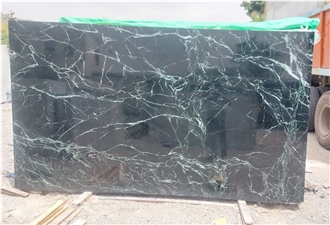
Green Spider Marble

Marble

Turkey

About

Item Details

Material Type:
Marble
Origin:
Turkey
Recommended Usage:
kitchen and bathroom countertop, wash basins, building stone, ornamental stone, stairs, interior, exterior wall and floor applications, mosaic, water-jet pattern, wall panels, table tops, balustrades, columns, wall and pool copings, pool pavers, sculptures, fireplaces, window sills
Additional Names:
Large Floral Green Marble, Spider Green Marble, Turkey Verde Alpi Marble, Turkish Verde Alpi Marble, in China stone market:大花绿(Dà Huā Lǜ)
Finished Surface:
Polished,Bush Hammered,Tumbled,Brushed,Honed,Split,Machine Cut,Natural Surface,Sandblasted,Combed,Leathered,Water Jet,Chiseled,Pickling

Description

Green Spider Marble is a decorative natural stone quarried in Türkiye, featuring a deep forest-green to almost black-green background with rich, dark undertones. Its dramatic appearance is enhanced by sweeping diagonal streaks of emerald green, olive green, and occasional pale white mineral accents. The flowing, fibrous veins create a distinctive spider-web-like pattern, giving the stone a sense of movement and depth. Polished surfaces intensify the contrast between the dark background and lighter green markings, making it suitable for sophisticated architectural and interior design projects.

Texture & Structure

Green Spider Marble has a predominantly compact, fine- to medium-grained appearance, with irregular mineral veins and elongated fibrous patterns associated with serpentine-rich stone. The surface may display subtle variations in translucency, mineral concentration, and color intensity. Its directional pattern can vary considerably between blocks and slabs, creating opportunities for continuous-vein layouts and decorative panel arrangements.

Chemical & Mineralogical Composition

Green Spider Marble is described as a serpentine-rich decorative stone. Its dark green coloration and fibrous veining may reflect variations in serpentine minerals and associated accessory minerals. The exact mineralogical and chemical composition of this specific material has not been independently verified.

Chemical composition (% by weight):

Serpentine minerals generally contain magnesium, silicon, oxygen, and structurally bound water. Relevant chemical components may include SiO₂, MgO, FeO, Fe₂O₃, Al₂O₃, and loss on ignition (LOI). Their actual percentages cannot be reliably specified without laboratory analysis.

X-ray diffraction (XRD), X-ray fluorescence (XRF), and petrographic analysis are recommended to establish the mineral phases and chemical composition. Where serpentine minerals are present, mineralogical identification is also important for assessing potential chrysotile content.

Usage

Green Spider Marble is suitable for interior wall cladding, feature walls, decorative flooring, hotel lobbies, reception areas, fireplace surrounds, vanity tops, furniture surfaces, and ornamental applications. Its dramatic green patterns make it particularly attractive for luxury residences, boutique hotels, and contemporary commercial interiors.

Use for kitchen countertops, wet areas, or heavily trafficked floors should be evaluated according to the stone's measured hardness, porosity, chemical sensitivity, and abrasion resistance. Exterior applications require specific assessment of weathering performance, freeze-thaw resistance, and installation conditions.

Maintenance

Clean the surface with a soft cloth, warm water, and a pH-neutral stone cleaner. Avoid acidic cleaners, abrasive pads, and aggressive chemicals that may damage the surface or reduce its polish. Wipe spills promptly, especially oils and colored liquids. A suitable penetrating sealer may help reduce staining if recommended following absorption testing, but it will not prevent scratching or chemical etching.

For floors and countertops, use protective pads and clean up grit regularly to minimize abrasion. Periodically inspect joints and sealant in wet areas. For exterior installations, follow the supplier's recommendations for cleaning, anchoring, and weather protection.

FAQ

Does Green Spider Marble fade in sunlight?

Green Spider Marble, like many natural stones, can potentially be affected by prolonged exposure to sunlight. Over time, ultraviolet (UV) rays from the sun may cause some types of marble to fade or experience color changes. The extent of fading can depend on factors such as the specific mineral composition of the marble, the intensity and duration of sun exposure, and any protective treatments or sealants applied to the stone. To minimize potential fading, its advisable to use UV-protective sealants and to consider placement in areas where the marble is not continuously exposed to direct sunlight. Regular maintenance and care can also help preserve the appearance of the marble.
Read question details

Can bleach be used on Green Spider Marble bathroom countertop?

Using bleach on Green Spider Marble countertops is not recommended. Marble is a natural stone that is highly susceptible to etching and discoloration from acidic or harsh cleaning agents, including bleach. Instead, it is best to use a pH-neutral cleaner specifically designed for natural stone. Alternatively, you can use a mixture of mild dish soap and warm water for regular cleaning. Always make sure to rinse thoroughly and dry the surface to avoid any potential damage or water stains. If you are concerned about disinfecting, look for cleaners that are safe for use on marble and offer antibacterial properties.
Read question details

Does a leathered or brushed finish Green Spider Marble make natural stone stain-proof?

While a leathered or brushed finish can enhance the appearance and texture of Green Spider Marble, these finishes do not make the stone completely stain-proof. Marble is a porous natural stone, and although finishing techniques can provide some level of protection, they do not eliminate the risk of staining entirely. A leathered finish gives the marble a slightly textured, matte appearance, which may hide scratches and etching better than a polished finish. A brushed finish also provides a textured surface but in a different way. Both finishes can make the stone more resistant to minor damage and less slippery, but they do not seal the pores of the marble. To enhance stain resistance, it is recommended to apply a high-quality penetrating sealer after finishing the marble. Regular resealing, as per the manufacturers instructions or based on use, is also important to maintain the protective barrier against stains and spills. Additionally, promptly cleaning up spills, especially those from acidic substances, can help prevent staining and etching.
Read question details

Which Green Spider Marble characteristics matter most when selecting stair treads?

When selecting Green Spider Marble for stair treads, several key characteristics should be considered to ensure both aesthetic appeal and functional suitability: 1. **Color and Pattern**: The distinctive green color with unique veining is a hallmark of Green Spider Marble. Ensure the pattern complements your overall design theme and other elements in the space. 2. **Durability**: Assess the hardness and durability of the marble. Since stair treads are high-traffic areas, the marble should withstand regular use without showing excessive wear. 3. **Finish**: The finish of the marble affects both appearance and safety. Polished finishes offer a shiny, luxurious look but may be slippery. Honed or textured finishes could provide better traction. 4. **Thickness**: The thickness of the marble treads contributes to their strength and lifespan. Ensure the thickness is adequate to support regular foot traffic. 5. **Slip Resistance**: Safety is a priority, so consider treatments or sealants that enhance slip resistance, particularly for areas prone to dampness. 6. **Consistency**: Check for consistency in color and veining across the slabs you select to ensure a uniform look on your staircase. 7. **Maintenance Needs**: Understand the care and maintenance requirements. Marble is generally porous and may need regular sealing to protect against staining and etching. 8. **Cost**: Marble can vary widely in cost. Balance the aesthetic benefits with budget constraints to ensure a cost-effective choice. By considering these factors, you can select Green Spider Marble stair treads that not only enhance the beauty of your space but also provide durability and safety.
Read question details

Why can water marks or dark patches appear on Green Spider Marble after installation?

Water marks or dark patches on Green Spider Marble after installation can occur due to several reasons: 1. **Porosity**: Marble is a natural stone and is porous, which means it can absorb water and other liquids. If the marble is not properly sealed, moisture can seep into the stone, leading to water marks or dark patches. 2. **Improper Sealing**: During or after installation, if the marble is not adequately sealed, it can become more susceptible to staining and discoloration. Sealants help protect the stone from absorbing moisture and staining substances. 3. **Water Exposure**: High exposure to water in areas such as bathrooms or kitchens can lead to water marks. Marble in these areas needs regular maintenance and resealing to prevent absorption. 4. **Installation Errors**: Poor installation practices, including the use of incorrect adhesives or grouts, can cause moisture to be trapped beneath the marble surface. The underlying moisture can create dark patches or marks as it seeps through the stone. 5. **Chemical Reactions**: Marble is sensitive to certain chemicals, including acidic cleaners. Using inappropriate cleaning agents can etch the surface or cause chemical reactions that lead to discoloration. 6. **Uneven Subsurface**: If the substrate underneath the marble is uneven or contains moisture, it can result in water pooling in certain areas, causing dark spots on the marble. To prevent these issues, its crucial to ensure proper sealing, use appropriate installation materials, and follow correct maintenance practices, including the use of pH-neutral cleaners designed for natural stone. Regularly inspecting and resealing the marble can help maintain its appearance and prevent water marks or stains.
Read question details

How can I reduce color variation between Green Spider Marble pieces in one installation?

Reducing color variation between Green Spider Marble pieces in a single installation requires careful planning and selection. Here are some steps you can take to achieve a more uniform appearance: 1. **Source from the Same Batch**: Always try to procure the marble pieces from the same quarry batch or shipment. Marble from the same batch is more likely to have similar color tones and veining patterns, minimizing variation. 2. **Pre-Selection**: Before installation, inspect each marble piece and pre-select the ones that are closest in color and pattern. Lay them out and arrange them to ensure a harmonious look prior to setting them in place. 3. **Dry Laying**: Lay out the marble pieces in the installation space without adhesive to visualize the overall effect. This allows you to rearrange and swap pieces until you achieve the desired balance. 4. **Bookmatching**: If possible, use bookmatched marble pieces, which are cut and polished together to create mirror-image patterns. This can help create a continuous flow, enhancing uniformity. 5. **Lighting Considerations**: Be mindful of the lighting in the area where the marble will be installed. Different lighting conditions can accentuate color differences. Adjusting the lighting can help reduce the perception of color variation. 6. **Professional Help**: Hire experienced professionals for the installation. Skilled installers can provide valuable insights and make recommendations on how to best reduce color variation during the layout and installation process. 7. **Communication with Supplier**: Communicate your preferences and concerns with your supplier. They might be able to accommodate requests for more uniform selections or offer insights on how to achieve the desired look. 8. **Sealing and Finishing**: Use a high-quality sealer that can enhance the marbles natural colors, potentially reducing perceived variations. Finishes such as honed or polished can also affect how colors are perceived, so choose the one that best suits your aesthetic goals. By following these steps, you can minimize color variation and achieve a more visually cohesive Green Spider Marble installation.
Read question details

Products & Prices

View More

Hot Marble

New Marble

Post Your Request

The request includes:
  1. surface finished, size
  2. quantity required