Post Your Needs

Atlas Marble

Marble

Greece

About

Item Details

Material Type:
Marble
Origin:
Greece
Recommended Usage:
kitchen and bathroom countertop, wash basins, building stone, ornamental stone, stairs, interior, exterior wall and floor applications, mosaic, water-jet pattern, wall panels, table tops, balustrades, columns, wall and pool copings, pool pavers, sculptures, fireplaces, window sills
Additional Names:
Artlas Marble, Atlas Grey Marble, Atlas Gray Marble, Atlas Blue Marble, Sky Blue Jade Marble, in China stone market:天青玉(Tiān Qīng Yù)
Finished Surface:
Polished,Bush Hammered,Tumbled,Brushed,Honed,Split,Machine Cut,Natural Surface,Sandblasted,Combed,Leathered,Water Jet,Chiseled,Pickling

Description

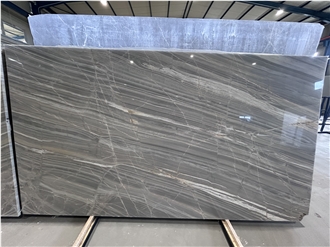
Atlas Marble features a muted, cool-toned grey-green base with cloudy grey shades. Distinct diagonal striations and flowing, wave-like veins in darker grey and green tones create a dynamic, layered appearance. Fine granular speckles are distributed across the surface, adding depth and texture. The polished finish produces strong light reflections, enhancing the natural movement and visual richness of the stone.

Texture & Structure

Fine- to medium-grained crystalline texture with diagonal mineral bands, flowing veins, and subtle granular inclusions. The natural pattern varies from block to block, with differences in vein direction, color intensity, and distribution. Polished surfaces emphasize the stone's layered structure and reflective qualities.

Chemical & Mineralogical Composition

Indicative mineralogical composition (% by weight):

  • Calcite: Variable; potentially the dominant mineral if the stone is calcitic marble.
  • Dolomite: Variable, depending on the geological formation.
  • Quartz and other silicate minerals: Possible minor components.
  • Accessory minerals and mineral inclusions: Variable; may contribute to the grey-green coloration.
  • Chemical composition: Expected to depend on the relative proportions of calcium carbonate, magnesium carbonate, silica, iron-bearing minerals, and other accessory constituents. Quantitative percentages require laboratory analysis.

The above composition is descriptive, not a verified chemical or mineralogical analysis of Atlas Marble.

Usage

Suitable for interior wall cladding, decorative feature walls, flooring, bathroom walls, vanity tops, staircases, fireplace surrounds, reception areas, hotel interiors, and other architectural and ornamental applications. Countertop use is possible with appropriate sealing and care. Exterior applications should be evaluated according to water absorption, frost resistance, and project-specific conditions.

Usage & Maintenance

Clean regularly with a soft cloth or mop and a pH-neutral stone cleaner. Avoid acidic products, vinegar, lemon juice, abrasive pads, and harsh chemicals that may etch or dull the surface. Apply a suitable impregnating sealer where appropriate, particularly on countertops and other spill-prone surfaces. Wipe spills promptly and use coasters or protective mats to minimize staining and scratching. For polished surfaces, use non-abrasive cleaning materials to preserve the finish and natural luster.

FAQ

How can the polished finish of Atlas Marble be preserved?

Preserving the polished finish of Atlas Marble involves a combination of regular maintenance and preventive measures. Here are some tips to help maintain its appearance: 1. **Regular Cleaning**: Use a soft, damp cloth or a mop with mild, pH-neutral soap to clean the surface regularly. Avoid using acidic or abrasive cleaners as they can damage the polish. 2. **Spill Management**: Quickly clean up spills, especially those from acidic substances like wine, juice, or vinegar, as they can etch the marble surface. 3. **Dust Prevention**: Regularly dust the marble surface with a microfiber cloth to prevent dirt and debris from scratching the polish. 4. **Use Mats and Rugs**: Place mats or rugs in high-traffic areas and near entrances to reduce dirt and grit from abrasion. 5. **Sealant Application**: Apply a high-quality penetrating sealant every 6-12 months, or as recommended, to protect the marble from stains and maintain its shine. 6. **Furniture Pads**: Use felt pads under furniture legs to prevent scratches. 7. **Professional Polishing**: Consider having the marble professionally polished every few years to restore its original luster if it starts to dull. 8. **Avoid Heavy Impact**: Prevent heavy objects from dropping on the surface to avoid chipping and preserve the polish. 9. **Gentle Products**: Avoid cleaning products that contain bleach, ammonia, or other harsh chemicals. By following these guidelines, the polished finish of Atlas Marble can be maintained for years, preserving its beauty and elegance.
Read question details

Can Atlas Marble be used outdoors in cold climates?

Atlas Marble can indeed be used outdoors, even in cold climates, but there are several factors to consider for optimal performance and longevity. Marble, being a natural stone, is generally durable and can handle temperature fluctuations. However, it is more porous and softer than some other stones like granite, which can make it susceptible to damage from freeze-thaw cycles if moisture seeps into the stone and then freezes. Here are a few considerations to keep in mind: 1. **Sealing**: Properly sealing marble is crucial to protect it from moisture infiltration. This needs to be done before installation and reapplied periodically based on the sealants recommendations. 2. **Quality and Finish**: Choose a high-quality marble with a finish suitable for outdoor use. Honed or textured finishes can provide better traction and reduce the risk of slipping when wet or icy. 3. **Installation**: Ensure correct installation with adequate drainage and good quality adhesive suited for cold conditions to minimize water retention and potential damage. 4. **Maintenance**: Regular maintenance is necessary to keep the marble in good condition. This may include cleaning, sealing, and inspecting for any signs of damage. 5. **Microclimate**: Consider the specific microclimate where the marble will be installed. For instance, areas shielded from harsh weather might fare better than those exposed to continuous water or ice. Ultimately, while Atlas Marble can be used outside in cold climates, taking these precautions into account will help protect your investment and maintain its appearance over time.
Read question details

Is Atlas Marble suitable for shower floors and wet-area flooring?

Using Atlas Marble for shower floors and wet-area flooring requires careful consideration. Marble, including Atlas Marble, is a natural stone known for its beauty and elegance. However, it is also porous and can be susceptible to staining, etching, and wear due to water and acidic substances commonly found in bathrooms. Here are some factors to consider: 1. **Porosity**: Marble is porous and can absorb water, leading to potential staining or damage over time. Sealing the marble can help reduce porosity and protect against moisture. 2. **Slip Resistance**: Polished marble can be slippery when wet, increasing the risk of slips and falls. Choosing a honed or textured finish can improve slip resistance, which is crucial for safety in wet areas. 3. **Maintenance**: Marble requires regular maintenance, including sealing and cleaning with pH-neutral products to prevent damage from minerals and acids found in harsh cleaners or even shampoos and soaps. 4. **Durability**: While marble is a durable stone, it can etch or scratch more easily than some other materials, such as porcelain or ceramic tiles, especially in high-traffic areas like shower floors. 5. **Aesthetic Integration**: If the aesthetic appeal and luxurious nature of Atlas Marble align with your design goals, it may be worth the extra care and maintenance. If you decide to use Atlas Marble, consider integrating it with these precautions and possibly consulting with a professional to ensure proper installation and maintenance. For some, alternative materials like porcelain tiles that mimic marble may offer a more practical solution with similar visual appeal.
Read question details

How does lighting affect the appearance of Atlas Marble?

Lighting can significantly affect the appearance of Atlas Marble, just as it does with any other type of stone or material. Here are some ways lighting can influence its appearance: 1. **Color:** Different types of lighting, such as warm, cool, or neutral, can affect the perceived color of Atlas Marble. Warm lighting might enhance warmer tones in the marble, making it appear richer or more golden, while cool lighting could emphasize cooler hues, possibly bringing out gray or blue undertones. 2. **Veining and Patterns:** The intensity and angle of lighting can highlight or obscure the veining and patterns in Atlas Marble. Direct or spotlighting can create contrasts and shadows that accentuate these features, making them more pronounced. Diffused lighting, on the other hand, might create a softer appearance. 3. **Gloss and Shine:** The finish of the marble, whether polished or honed, interacts differently with lighting. Polished Atlas Marble will reflect more light due to its glossy surface, creating a brighter and more lustrous appearance. In contrast, honed marble will have a more subdued and matte look as it absorbs more light. 4. **Texture and Depth:** The texture and depth of the marble can be enhanced or diminished by lighting. Grazing light, which skims across the surface, can emphasize the texture and make any subtle variations in depth more noticeable. 5. **Size and Space Perception:** Lighting can influence the perception of space where Atlas Marble is used. Bright lighting can make a space appear larger and more open, while dim lighting can create a more intimate and cozy atmosphere by highlighting or minimizing certain elements of the marble. 6. **Time of Day:** Natural lighting changes throughout the day and can affect how Atlas Marble looks. Morning and evening light, which is often warmer, might bring out different colors and highlights compared to the cooler midday light. Overall, the choice of lighting should be carefully considered to best complement the natural beauty of Atlas Marble and achieve the desired ambiance in a space.
Read question details

Can Atlas Marble be used for a statement wall in commercial projects?

Yes, Atlas Marble can certainly be used for a statement wall in commercial projects. This type of marble is known for its dramatic veining and striking aesthetic, which can create a bold and luxurious look. When used as a statement wall, it can enhance the overall design of a commercial space, such as a lobby, reception area, showroom, or high-end retail store. Before proceeding, however, there are some considerations to keep in mind: 1. **Durability**: Ensure that the marble is suitable for the environment where its being installed, especially in high-traffic areas. 2. **Maintenance**: Marble can require more maintenance than other materials, so factor in any upkeep needed to preserve its appearance. 3. **Cost**: Marble is often more expensive than other wall coverings, so consider the budget for the project. 4. **Aesthetic Fit**: Make sure that the marbles color and pattern align with the overall design concept for the space. 5. **Installation**: Professional installation is recommended to ensure the marble is properly placed and secured. Incorporating Atlas Marble in your commercial project can make a significant impact and convey a sense of sophistication and elegance.
Read question details

Products & Prices

View More

Hot Marble

New Marble

Post Your Request

The request includes:
  1. surface finished, size
  2. quantity required

